Publications & Presentations
Journal articles · Books and open textbooks · Chapters · Presentations
Google Scholar metrics · previously recorded
Algorithmic Futures
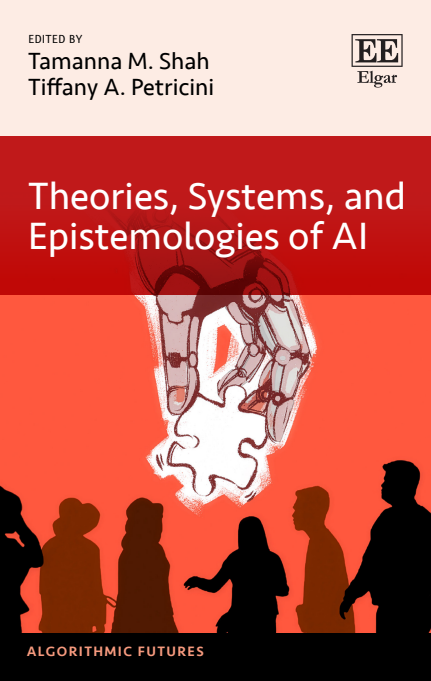
Forthcoming book series · Edward Elgar Publishing
Co-edited by Tamanna M. Shah and Tiffany A. Petricini, the series examines how AI and algorithmic systems shape institutions, knowledge, and ethical decisions.
- Theories, Systems, and Epistemologies of AI · Expected February 2027
- Moral Machines and Human Dilemmas · Expected March 2027
Books
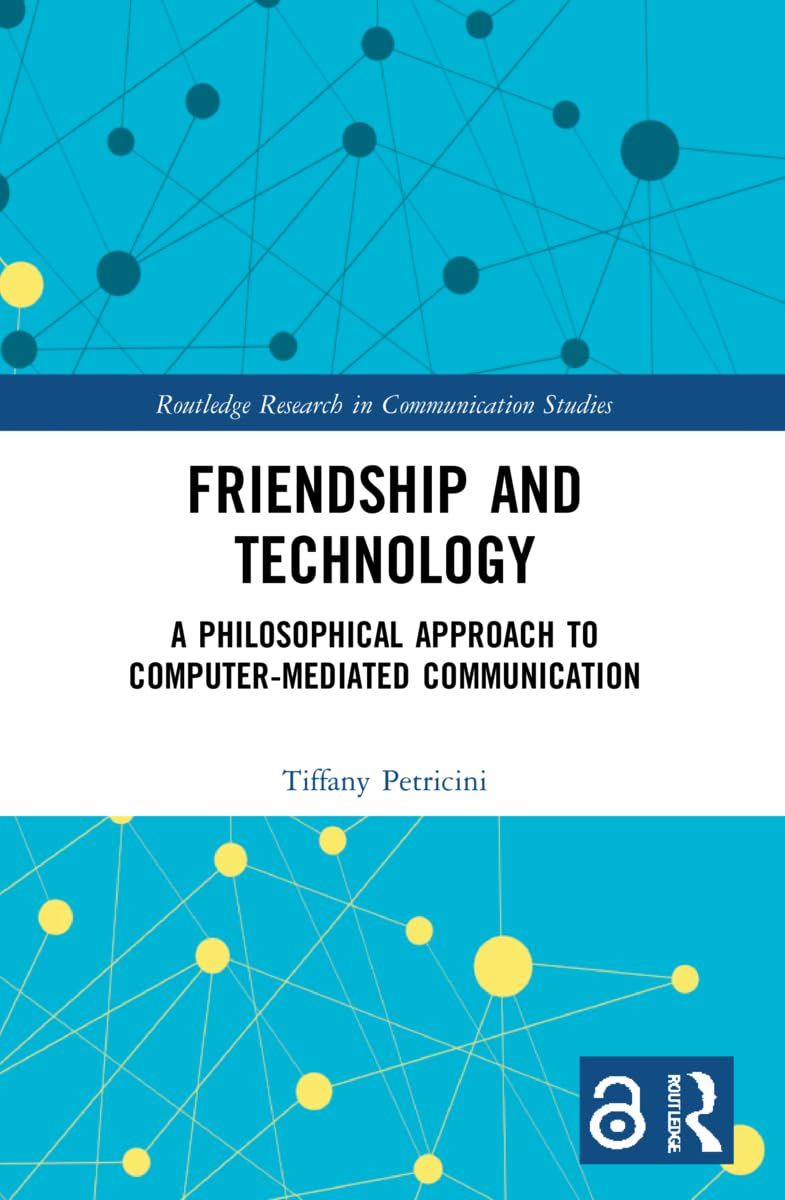
Petricini, T. (2022). Friendship and Technology: A Philosophical Approach to Computer-Mediated Communication. Routledge.
Authored Book Free Open Access ↗ DOI ↗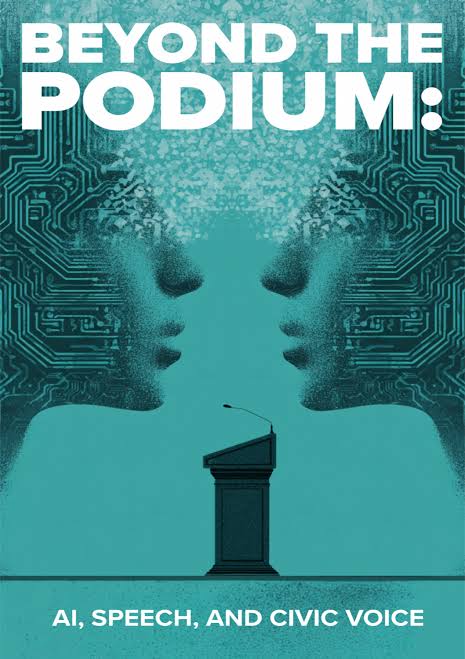
Petricini, T., & Rice, S. (Eds.). (2026). Beyond the Podium: AI, Speech, and Civic Voice. Penn State Pressbooks.
Textbook (Co-editor) Free Access ↗Refereed Journal Articles
Petricini, T. (2026). The power of language: Framing AI as an assistant, collaborator, or transformative force in cultural discourse. AI & Society, 41, 1005–1017. Open access (CC BY 4.0).
DOI ↗Zipf, S. T., Petricini, T., & Borrelli, S. (2026). ‘I shouldn’t be saying this’: Library-based student confessions about AI, cheating, and academic integrity. Journal of Academic Librarianship, 52(4), Article 103259.
Academic IntegrityEquity
Petricini, T., & Zipf, S. (2026). Designing for Virtuous AI Use: The AI-Use Ethics Matrix in AI-Mediated Classrooms. Journal of Instructional Design and Technology, 1(2), 28–36.
DOI ↗Cruz, L. E., & Petricini, T. (2026). Generally speaking: The wicked problem of generative AI integration in the core curriculum. The Journal of General Education, 71(1–4), 68–89.
DOI ↗Petricini, T., Trujillo-Liñán, L., & Meneses-Trujillo, R. (2026). AI across borders: COIL pedagogy, media ecology, and intercultural AI literacy in the postdigital classroom. Online Media and Global Communication.
DOI ↗Petricini, T., & Cruz, L. (2025). AI literacy in the communication basic course: Insights on embedding, motivation, and reducing uncertainty. Journal of Teaching and Learning with Technology, 14(1).
AI & EducationPedagogy
Petricini, T. (2025). Teaching at the speed of change: A communication instructor's journey into AI literacy and ethical pedagogy. Journal for Research and Practice in College Teaching, 10(2).
PedagogyAI & Education
Rapanta, C., Bhatt, I., Bozkurt, A., Chubb, L. A., Erb, C., Forsler, I., … & Jandrič, P. (2025). Critical GenAI literacy: Postdigital configurations. Postdigital Science and Education, 1–38.
AI & EducationEquity
Petricini, T., Zipf, S., & Wu, C. (2025). Communicating academic honesty: Teacher messages and student perceptions about generative AI. Frontiers in Communication, 10, 1–6.
AI EthicsAcademic Integrity
Zipf, S., Wu, C., & Petricini, T. (2025). Using the information inequity framework to study GenAI equity: Analysis of educational perspectives. Information Research, 30(iConf), 533–547.
EquityAI & Education
Petricini, T. (2025). The freedom to think otherwise: Dialogue with and about artificial intelligence in higher education. Journal of Dialogic Ethics, 4(1), 28–46.
AI EthicsDialogue
Petricini, T. (2025). Media ecology in the postdigital condition. Postdigital Science and Education, 1–8.
Media Ecology
Petricini, T., Zipf, S., & Wu, C. (2024). Perceptions about generative AI and ChatGPT use by faculty and students. Transformative Dialogues: Teaching and Learning Journal, 17(2).
AI & Education
Cruz, L., Atterholt, R., Divens, T., Humphrey, J., Jewell, J., Petricini, T., Pettitt, A., & Shaffer, K. (2024). Fourth space: An autoethnography of a scholarship of teaching and learning micro-community. Transformative Dialogues: Teaching and Learning Journal, 17(2).
Pedagogy
Petricini, T. (2024). Special issue introduction: AI and media ecology. Explorations in Media Ecology, 23(1), 93–103.
Media Ecology
Petricini, T. (2024). What would Aristotle do? Navigating generative artificial intelligence in higher education. Postdigital Science and Education, 1–7.
AI Ethics
Petricini, T. (2024). ChatGPT: Everything to everyone all at once. ETC: A Review of General Semantics, 80(3), 340–350.
No DOIPetricini, T. (2019). Explorations in the noosphere: Hermeneutic presence and hostility in cyberspace. Explorations in Media Ecology, 18(1–2), 57–71.
Media EcologyDialogue
Petricini, T. (2017). Synchronic responsibility: A commentary on Walter J. Ong’s work on time consciousness. Explorations in Media Ecology, 16(2–3), 195–203.
Media Ecology
Book Chapters
Petricini, T. (2026). AI-mediated work and algorithmic literacy: The future of communication in a postdigital workforce. In S. A. Smith (Ed.), Talent acquisition and AI: Enhancing workforce engagement (pp. 54–74). Routledge.
DOI ↗Petricini, T. (2025). Immersing the body in ancient and modern media practices: Using the Cricut and VR to explore culture and history. In A. Gratch, L. Michalik Gratch, & A. Baldwin (Eds.), Communication activities for the classroom. Palgrave Practical Guides in Communication. Palgrave Macmillan.
DOI ↗Zipf, S., Petricini, T., & Wu, C. (2024). AI monsters: An application to student and faculty knowledge and perceptions of generative AI. In S. Elmoudden & J. S. Wrench (Eds.), The role of generative AI in the communication classroom (pp. 284–299). IGI Global.
DOI ↗Petricini, T. (2022). Family communication disrupted by incarceration and the role of technology: An overview. In M. McGinley, J. Burk, & J. Ward (Eds.), Communicating with our families: Technology as continuity, interruption, and transformation (pp. 185–201). Lexington.
No DOIEncyclopedia Entries
Book Reviews
Petricini, T. (2025, online first; 2026 print). Review of The Age of Insecurity: Coming Together as Things Fall Apart, by A. Taylor. Postdigital Science and Education, 8, 686–691.
DOI ↗Petricini, T. (2024). Review of The Phenomenology of Virtual Technology. Technophany: A Journal for Philosophy and Technology, 2(1), 1–5.
DOI ↗Petricini, T. (2024). Review of The Eye of the Master: A Social History of Artificial Intelligence, by M. Pasquinelli. Postdigital Science and Education.
DOI ↗Petricini, T. (2021). Review of Incomplete Nature: How Mind Emerged from Matter, by T. Deacon. Explorations in Media Ecology, 20(1), 107–110.
DOI ↗Petricini, T. (2020). Review of Children, Media, and American History, by M. Cassidy. Explorations in Media Ecology, 19(2), 237–240.
DOI ↗Conference Proceedings
Petricini, T. (2025). Forgetting and remembering in the social media age: Engaging the voice of Walter Ong. In Proceedings of the 2024 Orality and Literacy Conference (pp. 183–209). Geneva College.
No DOIReports & Policy Documents
Center for AI and Digital Policy. (2026). AI and Democratic Values Index. AI Index 2026—Center for AI and Digital Policy.
Report ↗ ↗Petricini, T., Peck, A., Edwards, B., Hemmings-Jarrett, K., & James, A. J. (2025). AI-enabled assistive technologies at Penn State: Accessibility, integrity, and compliance. Report of the special subcommittee on AI-enabled assistive technologies. Joint Standing Committee on the Effective and Responsible Use of AI in Instruction, The Pennsylvania State University.
Report ↗ ↗Petricini, T., Driver, J., et al. (2025). Report from the Joint Standing Committee for AI in Instruction. November 18, 2025 Penn State Senate Plenary.
Report ↗ ↗Fuentes of AI in Rural Education Working Group (FAIR). (2025). FAIR Summit Report 2025. Penn State.
PDF ↗ ↗Ramsay, C., Petricini, T., et al. (2024). Final report of the Joint Standing Committee on Effective and Responsible Use of Artificial Intelligence in Higher Education Instruction. Penn State.
Report ↗ ↗Conference Presentations
Keynote Talks
Petricini, T. (September 2, 2026)
Keynote Speaker, 10th Annual Manageable & Meaningful Assessment Day
Daemen University, Amherst, NY
“Prioritizing the Human: Rethinking Evidence of Learning in the Age of AI.”
Event info ❅Petricini, T. (April 3, 2025)
Keynote, 2025 Orality and Literacy in the Curricula Conference
Geneva College, Beaver Falls, PA
“From Orality to AI: Literacy, Learning, and the Classroom in a Digital Age.”
Invited & Public Talks
Petricini, T. (October 16, 2026). "Preparing Students to Live Well With AI — Guidance Counselors." Guidance Counselor Luncheon, Penn State Shenango, Sharon, PA. Invited talk.
Petricini, T. (October 15, 2026). "AI in Faculty Workflow." Center for Pedagogical Advancement, Penn State Behrend, Erie, PA. Invited talk.
Petricini, T. (September 16, 2026). "Living and Working with AI — Opportunities, Challenges, and Ethical Choices." Northwest Library District Professional Development Series, Session 1 of 3.
Petricini, T. (May 13, 2026). "Smart Tech, Smart Choices." Smart Tech, Smart Choices Panel, Office of Academic Integrity Responsibilities, virtual.
Petricini, T. (May 5, 2026). “What the Research Reveals about AI, Awareness, and Perceptions at Penn State.” Special presentation for Penn State AI leadership and the Office of the Provost.
Petricini, T. (March 26, 2026). “Is AI Really Your Friend? What Kids Need to Know (Older Kids, Parents, and Teachers).” AI for Kids Podcast. Interview.
Petricini, T. (January 28, 2026). “They’re All Cheating!: Research on Students’ Artificial Intelligence Ethics.” Penn State Behrend Faculty Showcase.
Petricini, T. (January 15, 2026). “Literacy(then) ≠ Literacy(now): Dimensions and Definitions of Contemporary Literacy.” New York Society for General Semantics. Video ❅
Petricini, T. (November 3, 2025). “Postdigital Pennsylvania: How AI Shapes Communication in a Historically Industrial State.” The Global Impact Forum.
Petricini, T. (November 3, 2025). “Research Projects Collaborative: AI Learning, Preparedness, Readiness, and Solutions.” The Global Impact Forum.
Petricini, T. (October 20, 2025). Panel on how AI-driven tools can improve student learning and engagement. Penn State Berks Learner-Centered Culture Fall Colloquium.
Petricini, T. (October 17, 2025). “Whoa Nelly, We Have a Problem: Rethinking Academic Integrity Through Students’ GenAI Inputs.” AI in Higher Education: Innovations in Learning and Teaching for Student Success Conference, American Public University.
Petricini, T. (October 13, 2025). “The Algorithm Game: Understanding Algorithms in the Classroom and Beyond.” Future-Focused Learning Summit, South Fayette Township School District.
Petricini, T. (October 4, 2025). “Reclaiming the Map: Algorithmic Mediation, General Semantics, and the Future of Public Participation.” Symposium in Discourse, Dialogue and Democracy, Institute of General Semantics.
Petricini, T. (July 8, 2025). “AI Essentials for Professionals.” Continuing Education Course, Office of Community and Workforce Programs, Penn State Erie, The Behrend College.
Petricini, T. (July 4, 2025). “The Rapid Evolution of AI.” Behrend Talks, Money Radio WPSE. Podcast.
Petricini, T. (May 29, 2025). “AI Friendship as a Dialogic Unity of Contraries: Extension and Disruption.” 18th Biennial Communication Ethics Conference, Pittsburgh, PA.
Petricini, T. (May 19, 2025). “The AI Algorithm Game—Win or Lose?” Future of Work Faculty Academy of SWPA Spring Forum 2025: Research, Growth, and the Workforce, Pittsburgh, PA.
Petricini, T. (November 28, 2024). “The Rhetoric of AI.” AI for Learning, Teaching and Research Symposium, Cape Peninsula University of Technology.
Petricini, T. (November 15, 2024). “Friendship and Collaboration in the AI-Mediated Workplace.” Education Vanguard Conference.
Petricini, T. (November 1, 2024). “AI and Its Transformational Impacts: Lessons Learned from the Past.” NEXT Conference, University of Akron.
Petricini, T. (October 30, 2024). “The Rhetoric of Artificial Intelligence: An Overview.” Penn State Behrend Faculty Showcase.
Petricini, T. (October 14, 2024). “AI Monsters: Overcoming Negative Misperceptions in Education.” Future-Focused Learning Summit.
Petricini, T. (March 24, 2022). “Togetherness in Lonely Times: Friendship and Technology.” Penn State Shenango Lecture Series.
Petricini, T. (September 30, 2020). “Ethics, Friendship, and Technology.” SUNY Plattsburgh Ethics Institute Colloquy.
Petricini, T. (November 5, 2019). “Social Media Etiquette and the Theory That Drives It.” Penn State Shenango Community Lunch and Learn.
See the full CV for additional presentations. Contact tzr106@psu.edu.
Citations formatted in APA 7. DOI links open in an external tab. For preprint requests, contact tzr106@psu.edu.